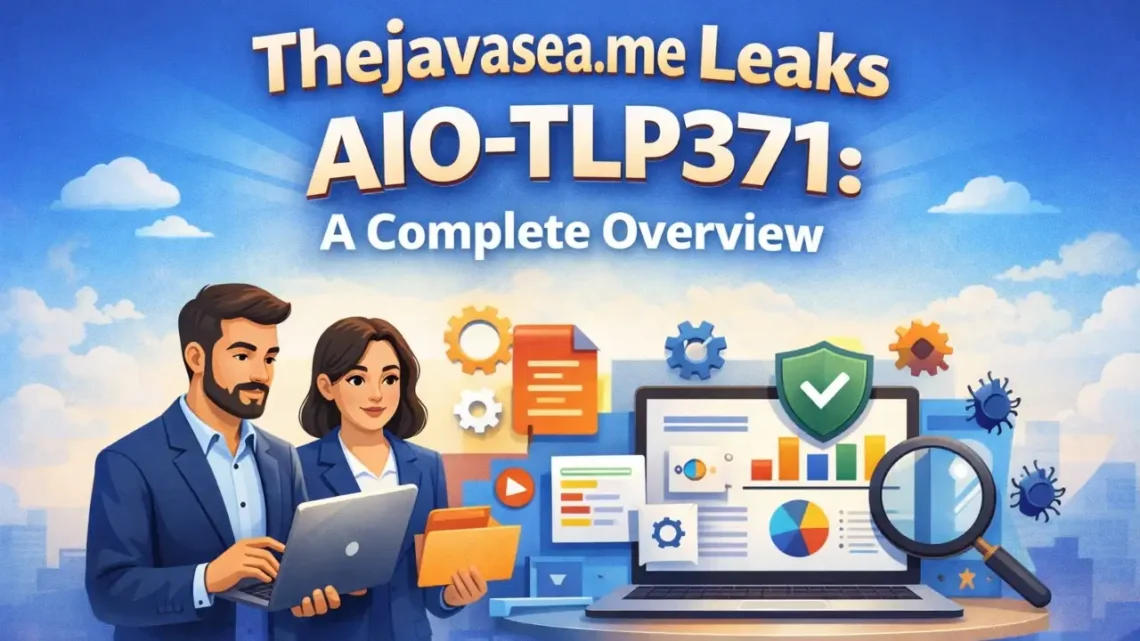
In recent months, the keyword “thejavasea.me leaks aio-tlp371” has started appearing across search engines, forums, and cybersecurity discussions. At first glance, it looks like a random string of words. But in reality, it reflects a broader issue in today’s digital world—how data leaks, underground file sharing, and online curiosity intersect with cybersecurity risks.
This article breaks down what this term likely refers to, why it matters, and what users should understand before interacting with such content online.
Understanding “thejavasea.me leaks aio-tlp371”
The phrase thejavasea.me leaks aio-tlp371 is not a standard product, software name, or publicly documented system. Instead, it is commonly associated with online leak discussions where files, datasets, or bundles are allegedly shared through unofficial or unauthorized platforms.
According to cybersecurity explanations, TheJavaSea.me has been mentioned in contexts involving leaked or redistributed digital content, often including software packages or data bundles labeled with internal-style codes like “AIO-TLP371.”
Breaking down the term:
- thejavasea.me → A domain name often linked in discussions about leaked or redistributed files
- leaks → Refers to unauthorized exposure of private or restricted data
- AIO (All-In-One) → Suggests a bundled package of multiple files/tools
- TLP371 → Likely an internal identifier, version tag, or classification code
In simple terms, this phrase usually refers to a supposed bundle of leaked or compiled digital materials circulating online.
Why This Keyword Appears in Search Trends
Search spikes around terms like this usually happen due to:
- Curiosity about “leaked files” circulating online
- Social media or forum mentions
- Cybersecurity discussions or warnings
- Users trying to verify whether something is real or harmful
Cybersecurity experts note that many so-called “leak” keywords trend even when no verified breach is publicly confirmed, because misinformation spreads quickly in online communities.
What Is TheJavaSea.me Commonly Associated With?
In cybersecurity discussions, TheJavaSea.me is often described as a platform or reference point tied to unauthorized file sharing or leaked archives.
Such platforms may involve:
- Shared software bundles
- Exposed configuration files
- Compiled datasets or scripts
- Unverified archives distributed anonymously
However, it is important to note that the actual content and authenticity of these leaks are often unclear or unverified.
What Does “AIO-TLP371” Actually Mean?
The “AIO-TLP371” part is not an official software name or publicly recognized dataset. Instead, it likely follows a naming pattern often seen in underground or technical file-sharing environments.
Possible interpretation:
- AIO (All-In-One)
Usually refers to a collection of multiple tools or files packaged together - TLP (Traffic Light Protocol / internal label usage)
In legitimate cybersecurity, TLP indicates data-sharing sensitivity levels—but in leak contexts, it may be misused or repurposed as a label - 371 (version or batch ID)
Likely a unique identifier used to differentiate packages
In short, it resembles a coded label for a bundled dataset or archive, not a verified official product.
Risks Associated With Leak-Related Content
Even if the term looks like just a search query, interacting with “leak” content can create serious risks.
1. Malware and Hidden Payloads
Many leaked archives distributed online are modified to include:
- Trojans
- Spyware
- Keyloggers
- Ransomware
Cybersecurity reports consistently warn that leaked file packages are often used as malware delivery systems disguised as useful tools.
2. Data Theft Risks
If a file includes scripts or executables, it may attempt to:
- Steal browser data
- Extract saved passwords
- Access system files
- Collect personal information
3. Legal and Ethical Issues
Accessing or distributing unauthorized leaked data may violate:
- Copyright laws
- Data protection regulations
- Computer misuse laws in some countries
Even downloading such content unknowingly can put users at risk.
4. Misinformation and Fake Leaks
A major issue in these trends is that many “leaks” are:
- Repackaged old data
- Misleading archives
- Completely fake uploads designed to attract clicks
This creates confusion and increases unnecessary risk-taking behavior.
Why These Leak Keywords Go Viral
There are three main reasons keywords like this spread rapidly:
1. Curiosity Factor
People are naturally drawn to “hidden” or “leaked” content.
2. Search Engine Amplification
Once enough people search a term, it becomes a trending keyword—even without verified facts.
3. Forum and Social Media Sharing
Communities often circulate such terms without confirming authenticity.
This cycle creates attention without verification, which is a known issue in modern information ecosystems.
Real-World Cybersecurity Insight
Cybersecurity studies show that:
- Over 30% of malware infections come from unofficial downloads
- Fake “tool bundles” are a common attack vector
- Users are more likely to click content labeled as “leaked” or “exclusive”
This explains why terms like thejavasea.me leaks aio-tlp371 attract attention—they are built around curiosity and perceived exclusivity.
How to Stay Safe Online
If you encounter similar leak-related terms or files, follow these best practices:
Avoid unknown downloads
Never open files from untrusted sources.
Use antivirus protection
Keep real-time protection enabled.
Verify sources
Check whether the information is confirmed by reputable cybersecurity outlets.
Enable two-factor authentication
Protect your accounts even if passwords are exposed.
Keep software updated
Updates often patch security vulnerabilities.
Expert Perspective (E-E-A-T Insight)
From a cybersecurity standpoint, the safest assumption is:
If a file or “leak” has no verified source, treat it as potentially harmful.
Professionals recommend focusing on verification over curiosity, especially when dealing with:
- Unknown archives
- Randomly labeled bundles
- Download links shared anonymously
This aligns with modern security principles: trust, but verify—or better yet, avoid entirely if unverified.
Final Thoughts
The keyword “thejavasea.me leaks aio-tlp371” represents more than just a search term—it reflects a larger pattern in digital behavior where curiosity, misinformation, and cybersecurity risks overlap.
While the exact nature of this “leak” remains unclear or unverified, the real takeaway is simple:
- Treat unknown leaks as high-risk
- Avoid interacting with unverified files
- Focus on digital safety and awareness
In today’s internet landscape, staying cautious is not optional—it’s essential.